Let's learn about the rules of Japanese homes. We'll also introduce some essential tips for using your home.

I wrote the article!

Japan Association for Construction Human Resources
Public Relations Department/Administration Department
Shohei Katayama
(Shohei Katayama)
Hello, this is Katayama from JAC (Japan Association for Construction Human Resources).
For those who will be living in Japan, here is an introduction to the rules of Japanese homes.
You may encounter rules that confuse you due to differences in culture and customs between your home country and Japan.
There are also some manners you should know in order to live peacefully with your neighbors.
Please use this as a reference to live safely and securely in Japan.
Rules and manners of Japanese homes that you should know
When living in a Japanese home, there are rules to follow and manners to be mindful of.
Rules and manners for rental housing
A rental property is a house that you rent by paying rent.
Company dormitories and apartment buildings rented and provided by the company are also types of rented housing.
There are rules and manners that should be followed so that the next residents and those living in the same building can live comfortably.
Here's a look at the rules and etiquette involved.
Don't remodel the room without permission.
I will return the rented room in its original condition.
Therefore, you must not make any irreversible modifications or damage the room.
For example, you should not do the following:
- Change the color of the walls, ceiling, and floor.
- Knock on the wall to make a hole.
- Removing and selling the built-in furniture, etc.
If there's anything you want to change in the room you've rented, be sure to consult with the property management company or landlord.
A landlord is someone who owns a building and manages rent payments and contracts.
If you make modifications without consulting the management company or landlord, you may be charged for the cost of restoring the property to its original condition.
Changes that can be reversed to the original state, such as adding artwork or changing the lighting, are acceptable.
Don't lend it to others.
You cannot sublet the room you are renting to someone else.
Only the contract holder is allowed to live in the room.
Even friends and family cannot live there without permission.
If the number of people or occupants changes as stated in the contract, you must inform the management company or landlord.
Be mindful of noise.
In Japan, a quiet environment is the norm for rental housing.
It's good manners to avoid disturbing others with noise.
Therefore, be careful of the following sounds.
- Speaking voices / Singing voices
- footsteps
- TV volume
- Sounds of musical instruments, etc.
Also, vacuum cleaners and washing machines make loud noises.
Please refrain from using it late at night or early in the morning when many people are asleep.
It's not just indoors; gathering around the house or in the parking lot and talking loudly is also a nuisance.
Please avoid gathering around houses or in parking lots.
You may receive complaints about noise from your neighbors, the management company, or your landlord, or your employer may receive complaints about the noise.
If you need to move because of noise, you may incur significant costs such as moving expenses and the initial deposit for a new rental property.
Don't keep pets without permission.
In Japan, rental properties are divided into those where pets are allowed and those where they are not.
If you are told "no pets allowed" when renting a room, you cannot keep a pet.
Even in homes where pets are allowed, you cannot simply keep or increase the number of pets without permission.
Be sure to check with the management company or landlord beforehand.
Keeping a pet without permission may result in eviction.
Furthermore, if keeping pets causes odors to linger in the house or damages the wallpaper, you may have to pay a hefty sum for repairs.
Do not leave items in common areas.
Hallways, stairwells, lobbies, etc., are "common areas" used by all residents.
In Japan, to maintain safety and cleanliness, you cannot leave your personal belongings in common areas.
Check where to park your car or bicycle.
There are designated parking areas for cars, motorcycles, and bicycles.
You must not park anywhere other than the designated area.
Parking and bicycle parking areas may be subject to a fee, so be sure to check in advance.
In addition to the items mentioned above, there may be other rules such as the following:
- When you move out, contact your landlord or property management company several months in advance.
- If you move out within ◯ months, you will have to pay a penalty fee.
- Smoking is prohibited indoors, etc.
Pay particular attention to the rules regarding smoking.
Smoking indoors can cause odors and yellowing on the wallpaper.
If you smoke in a room where smoking is prohibited, you may be charged a hefty fee upon moving out to cover the cost of replacing the wallpaper.
Before signing a contract, be sure to carefully review all the rules and regulations with the real estate company.
Rules for disposing of garbage
In Japan, there is a garbage collection system.
Garbage disposal rules vary by region.
If you don't follow the rules, your trash may not be collected.
Here's a guide to basic waste disposal methods.
Sorting waste
In Japan, we separate our waste by type before disposing of it.
Garbage sorting methods vary by region.
The main ways to categorize them are the following three:
- Combustible waste: leftover food, paper scraps, clothing, etc.
- Non-burnable waste: Glass, metal, ceramics, small electrical appliances, etc.
- Recyclable waste: Plastic bottles, cans, glass bottles, newspapers, cardboard, and other recyclable materials.
Different types of waste can be disposed of on specific days of the week.
Additionally, specific types of garbage bags are designated for use.
You can find detailed sorting instructions by searching for "[Your area name] garbage sorting".
Dispose of your trash at the designated place and time.
There are designated places and times for disposing of trash.
It varies depending on the property you live in, so you should check with your property management company or landlord.
For information on how to dispose of and sort your trash, please see here.
How do you dispose of garbage in Japan? We'll introduce sorting methods and important points to keep in mind!
Manners for interacting with neighbors
When living in a Japanese home, it's also important to maintain good relationships with your local community.
In urban areas, interactions with neighbors are decreasing, but maintaining connections with people in the community contributes to a more comfortable life.
Participate in the neighborhood association
Many areas have a "neighborhood association."
A neighborhood association is a group of people who live in the same area and help each other to make the community safer and easier to live in.
Participating in local festivals, disaster prevention drills, and crime prevention activities such as nighttime patrols through your neighborhood association can help you become more integrated into the community.
Getting to know each other through these activities can lead to building relationships where we can help each other when we're in trouble.
Greet your neighbors
When moving into a new place or in your daily life, be sure to greet your neighbors in the next room or nearby.
Greetings are especially important when moving.
Greeting your neighbors helps you get to know who lives around you, which gives both you and your neighbors peace of mind.
When introducing yourself to your new neighbors after moving, be sure to state your name and the date you moved in.
It's reassuring to go with someone from your company when introducing yourself to your new neighbors after moving.
Ask someone at your company if they could accompany you when you go to introduce yourself to your new neighbors.
In everyday life, it's good to be able to smile and say "hello" when you see your neighbors.
Rules and manners you should know about using a Japanese house
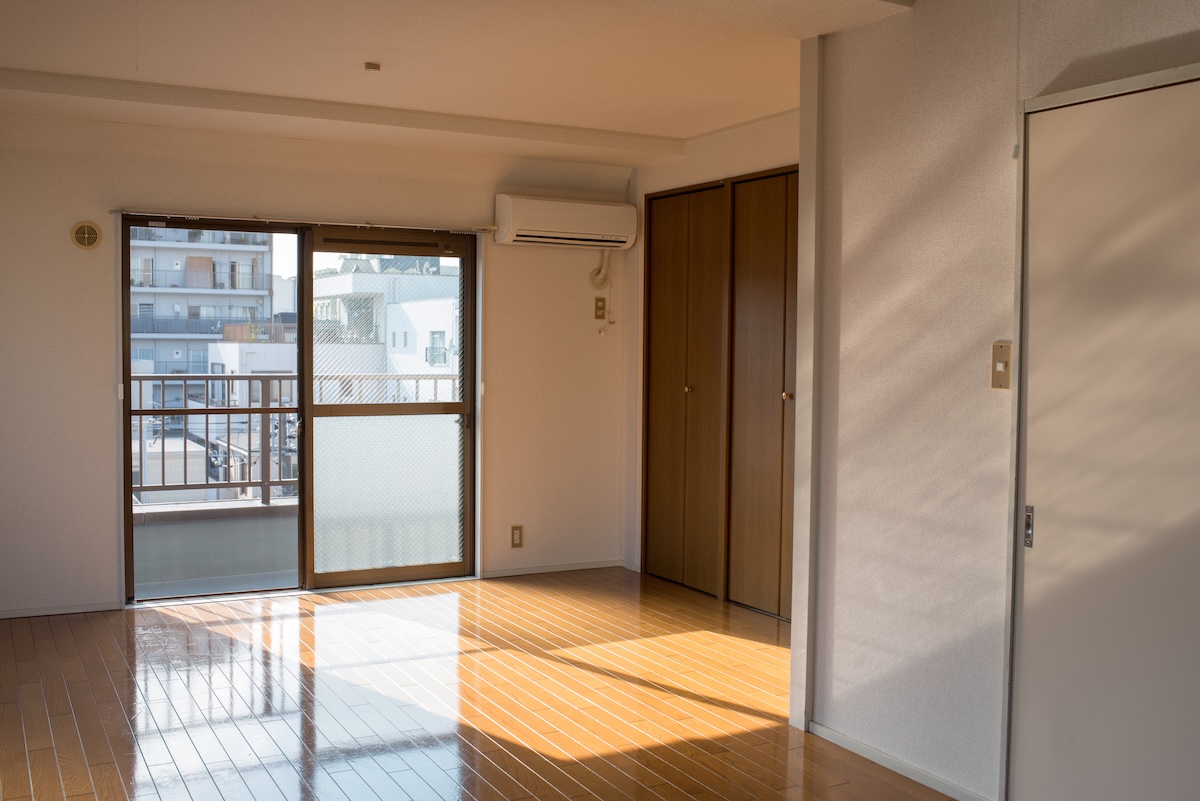
The way houses are used can differ between my home country and Japan.
Here are some things you should know to properly use a rented property.
This will also come in handy when you're invited to a colleague's or friend's house.
Rules for the entrance
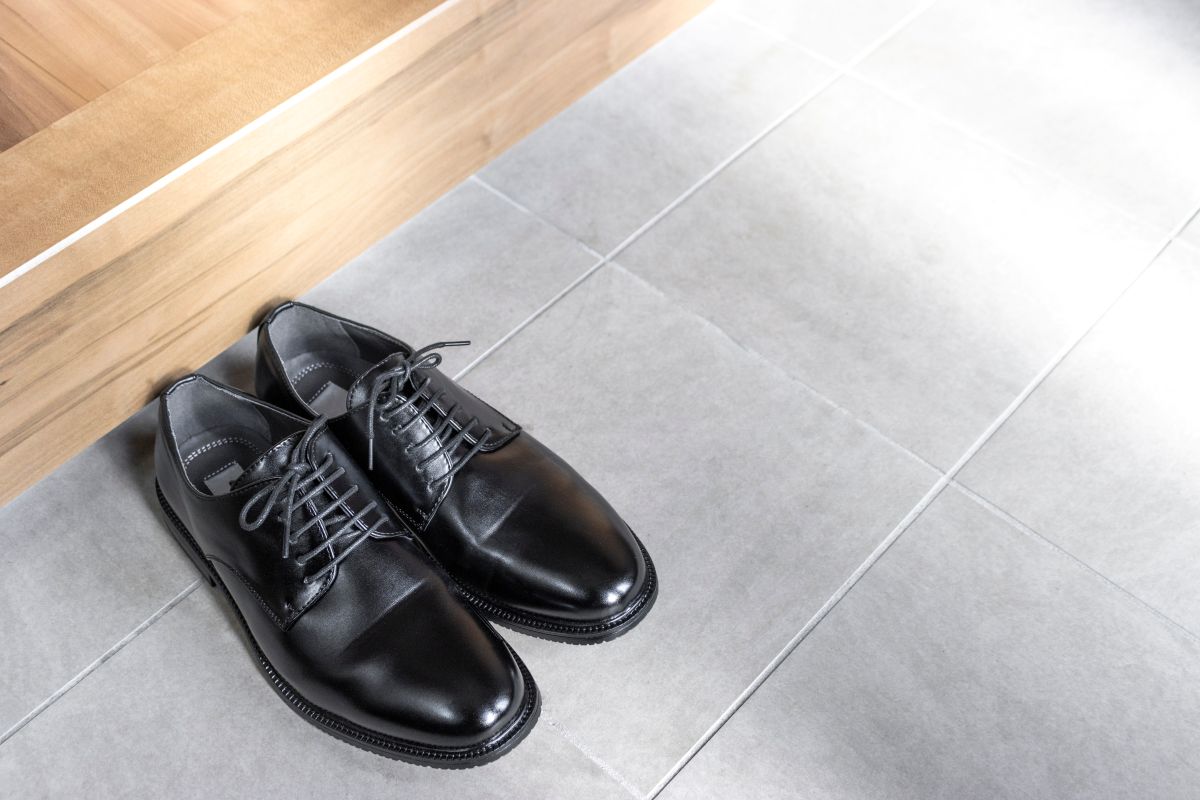
When entering a Japanese house, you always take off your shoes at the entrance.
There are several reasons why you take off your shoes at the entrance.
- To keep the house clean
- To protect the floor
- To sit on the floor and relax
Manners when entering someone else's home
When entering someone else's house, I wear socks.
The reason is the idea that dirt from the soles of your feet can be left in the house.
When entering a house, it is considered good manners to take off your shoes and place them neatly with the toes pointing outwards.
How to use a Japanese-style room and tatami mats
One type of traditional Japanese room is the "washitsu" (Japanese-style room).
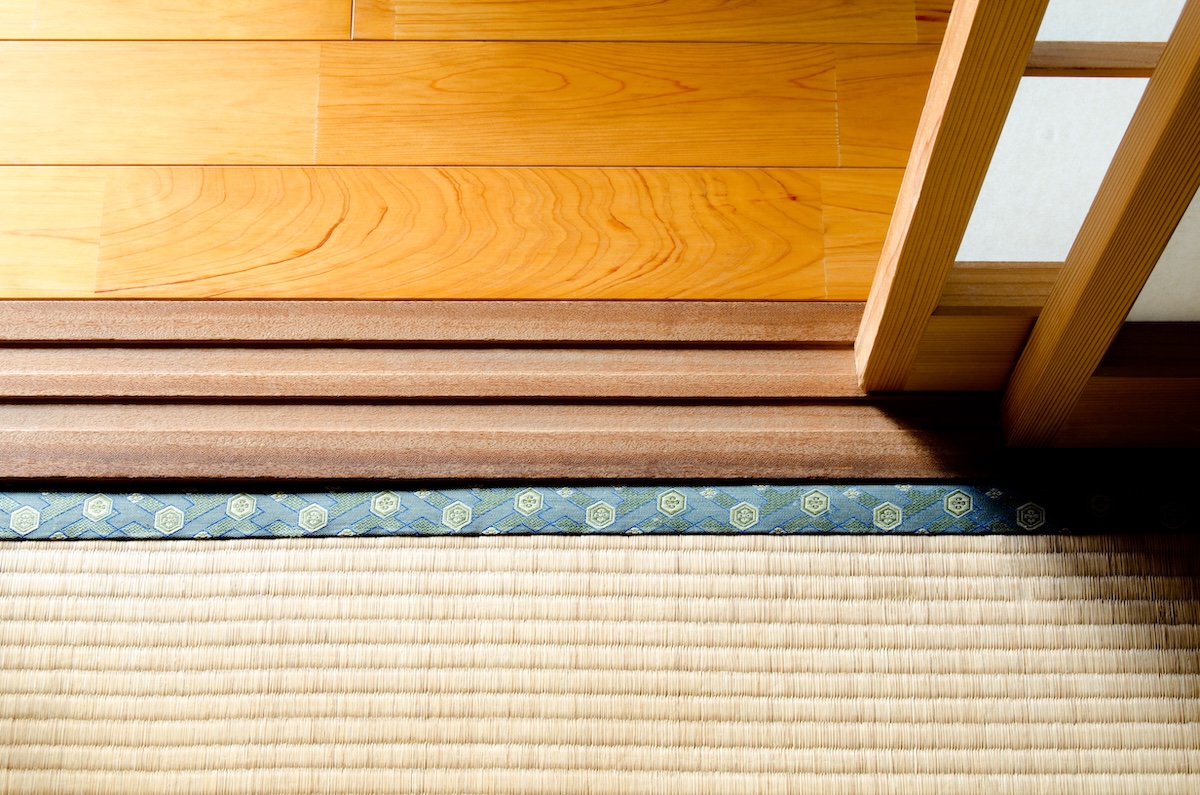
The material laid on the floor of a Japanese-style room is called "tatami."
In Japan, you take off your slippers when you're on a tatami mat.
This is to keep the tatami mats clean and prevent damage.
Furthermore, it is considered polite to avoid stepping on the edges of tatami mats or the wooden frame at the entrance to a Japanese-style room, according to traditional customs.
Toilet rules and manners
Even toilets in Japanese homes have their own unique rules and manners.
Wear slippers specifically for the toilet.
In many homes, there are "toilet-specific slippers" placed at the entrance to the bathroom.
This is to prevent dirt from the toilet floor from being brought into other rooms.
When you go to the toilet, you change into these toilet slippers.
When you leave the toilet, take off your toilet slippers before returning to your room.
It is considered bad manners to leave the restroom while still wearing the slippers provided in the restroom.
Toilet paper should be flushed down the toilet.
Japanese toilet paper is made to dissolve in water.
Please be sure to flush used toilet paper down the toilet.
Only dispose of items that do not dissolve in water, such as sanitary products and diapers, in the trash can.
Use the toilet correctly.
In Japan, some houses still have traditional Japanese-style toilets.
Japanese-style toilets are used by squatting over the toilet bowl.
Even with a Japanese-style toilet, please flush the toilet paper down the toilet.
To flush the toilet, either pull down the lever at the front of the toilet bowl or turn the lever on the tank at the top of the toilet.
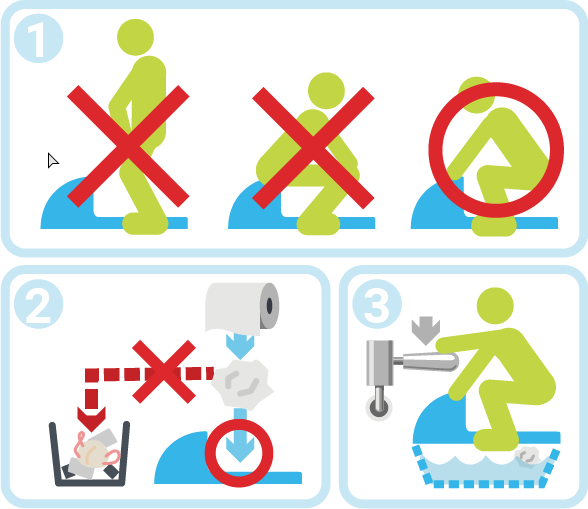
[How to use a Japanese-style toilet]
- Please use the toilet while squatting.
- Please flush toilet paper down the toilet instead of throwing it in the trash.
- Press the lever and the water will flow.
How to use heating appliances and precautions
In Japanese homes, it's important to use heating appliances correctly.
Heating appliances that use fire, such as stoves, pose a fire hazard if used incorrectly.
When using heating appliances, please keep the following points in mind:
- Do not place flammable materials near the stove.
- Always turn off the heater when you go to bed or when you go out.
Curtains, bedding, and paper are highly flammable.
Please be careful, as the flame from the stove could spread and cause a fire.
The air in Japan is very dry during winter.
Dry air makes fires more likely, so please be careful when handling fire.
A cigarette butt can also cause a fire.
If you have an air conditioner, using the heating function can reduce the risk of fire.
The appropriate temperature setting for air conditioner heating is said to be 20℃.
Setting the temperature to a high level, such as 30°C, will result in high electricity costs, so please use it at an appropriate temperature setting.
How to use water and precautions
There are rules and precautions you should be aware of when using tap water.
Do not pour oil down the drain.
Pouring used cooking oil down the drain can clog water pipes.
Since oil solidifies when it cools, extra caution is needed during the cold winter months.
Use up the used oil by absorbing it with newspaper or similar material and disposing of it as trash.
Be careful of water pipes freezing in winter.
In cold regions, water pipes can freeze in winter, causing water to stop flowing, or even burst.
If a water pipe bursts, repairs will cost money.
If you're going to be away from home for several days, please drain the water from your house.
The procedure for draining water varies depending on the property, so be sure to check with your property management company or landlord beforehand.
[ For Specified Skilled Workers] Consultation when you are in trouble with home problems
If you're not used to living in Japan, you might encounter problems with your home, such as issues with toilets or plumbing.
In such cases, you can use JAC's "Life Trouble Support".
You can use life trouble support at Specified Skilled Worker (i).
"Life Trouble Support" includes the following three services:
- Emergency response service
- Personal liability insurance
- Life consultation service
[Emergency Response Service]
If you experience problems with your locks or plumbing, our professional staff will come to your home to resolve them.
The following types of problems are covered:
- I lost my keys and can't get into my house.
- I left my house keys at work.
- Water is leaking from the faucet.
- The toilet tank is broken and the water won't flush.
- The toilet is clogged and the water won't flush.
Emergency response services are generally free of charge, but depending on the nature of the problem, there may be a fee.
[Personal Liability Insurance]
If you incur compensation for damages, such as "My washing machine leaked and stained the apartment of the person living downstairs, and I had to pay them money," your insurance can cover the costs.
[Life Consultation Service]
You can get advice on everyday problems, such as "My neighbor complained about the noise, but I don't know what to do," via phone or chat.
Our lifestyle trouble support service is available in more than 10 languages.
No prior registration is required.
If you encounter any problems, you can contact us anytime by phone or chat.
Use JAC's lifestyle trouble support service.
Summary: Follow the rules of Japanese homes and live comfortably!
When living in a Japanese home, you need to follow the rules specific to rental properties, such as how to dispose of garbage.
Participating in the activities of local groups such as neighborhood associations can help you live with greater peace of mind.
In addition, it's important to take off your shoes when you're in a Japanese house and to use tatami rooms properly.
Toilet usage can differ from other countries, so please be careful.
Rental housing is something you borrow from someone else.
When returning it, please use it in a way that allows you to return it to its original, pristine condition.
Take your time getting used to it and enjoy your life in a Japanese home.
About us, JAC
JAC(Japan Association for Construction Human Resources)is an organization that supports all Specified Skilled Workers working in the Japan construction industry. We work with companies that accept Specified Skilled Workers to create a work environment that is easy for everyone to work in.
We're also taking the exams you need to become a Specified Skilled Workers!
And JAC has received many requests for job offers from companies that want Specified Skilled Workers to work for.
Specified Skilled Workers Wanted! Job Listings
For those of you who want to work in Japan using Specified Skills, we are introducing jobs that match your occupation and aspirations!
If you have any problems, please feel free to contact us!