What are the famous festivals in Japan? Introducing festivals from all over the country

I wrote the article!

Japan Association for Construction Human Resources
Chief of Research and Development Department / Administration Department / Public Relations Department
Motoko Kano
(Kano Motoko)
Hello, this is Kano from JAC (Japan Association for Construction Human Resources).
In Japan, traditional festivals are held all over the country.
The festival has been going on for a long time in each region and has been passed down with care.
This time, we will introduce famous festivals in Japan.
Introduction to Japanese festivals
There are various festivals throughout Japan.
Many Japanese festivals are held to express gratitude to the gods.
Since ancient times, the Japanese have believed that there are gods in everything around them.
For example, the sun, rain, mountains, rivers, the sea, plants, animals, and so on.
Therefore, there was a custom of praying to nature gods for abundant harvests, good health, and other blessings, which led to the development of festival culture.
Many tourists from overseas visit Japan to see its festivals.
Festivals offer a chance to learn about Japanese traditions and charm, so I highly recommend visiting and experiencing them for yourself.
What are the famous festivals in Japan? Introducing festivals from all over the country
Japan has a variety of festivals, from small ones where local residents take part, to large ones that attract many people from all over the country.
This time, we will introduce some famous Japanese festivals that are also popular with foreign tourists.
- Gion Festival (Kyoto)
- Tenjin Festival (Osaka)
- Kanda Festival (Tokyo)
- Sapporo Snow Festival (Hokkaido)
- Aomori Nebuta Festival (Aomori)
- Sendai Tanabata Festival (Miyagi Prefecture)
- Chichibu Night Festival (Saitama)
- Nagaoka Festival Grand Fireworks Display (Niigata)
- Awa Odori (Tokushima)
- Hakata Gion Yamakasa Festival (Fukuoka)
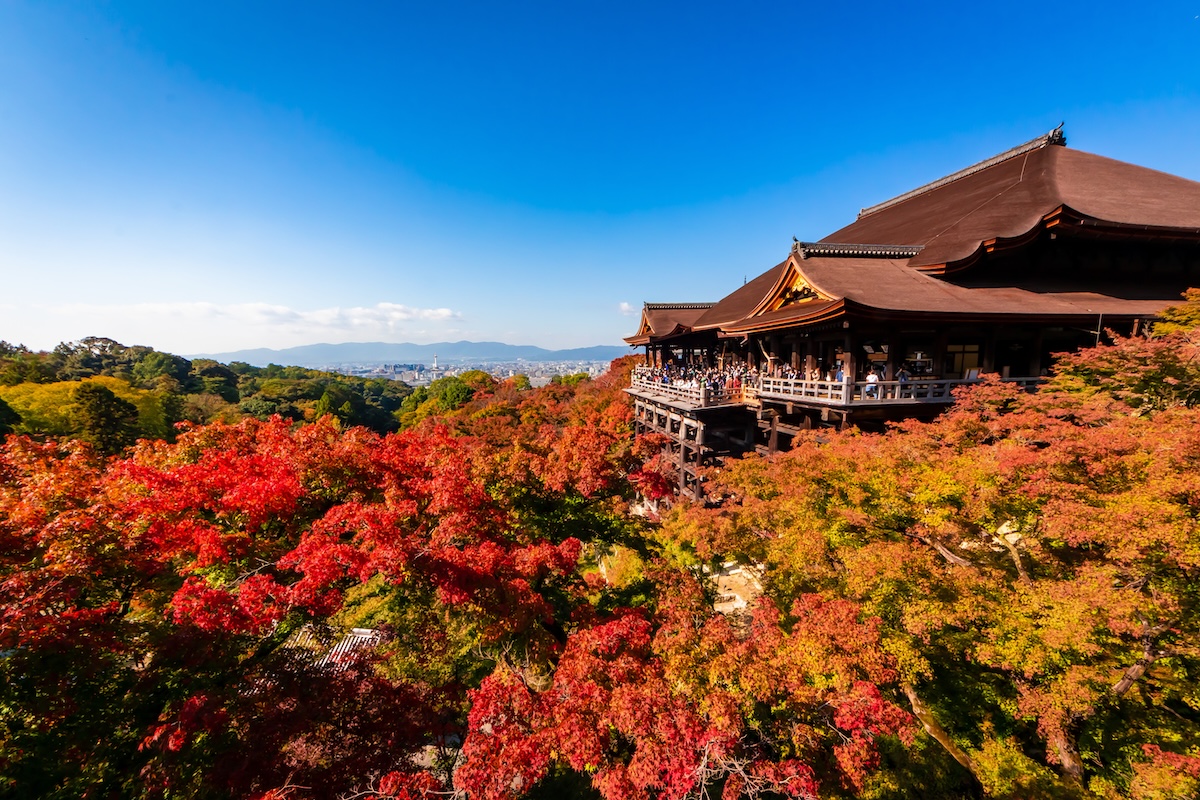
Gion Festival (Kyoto)
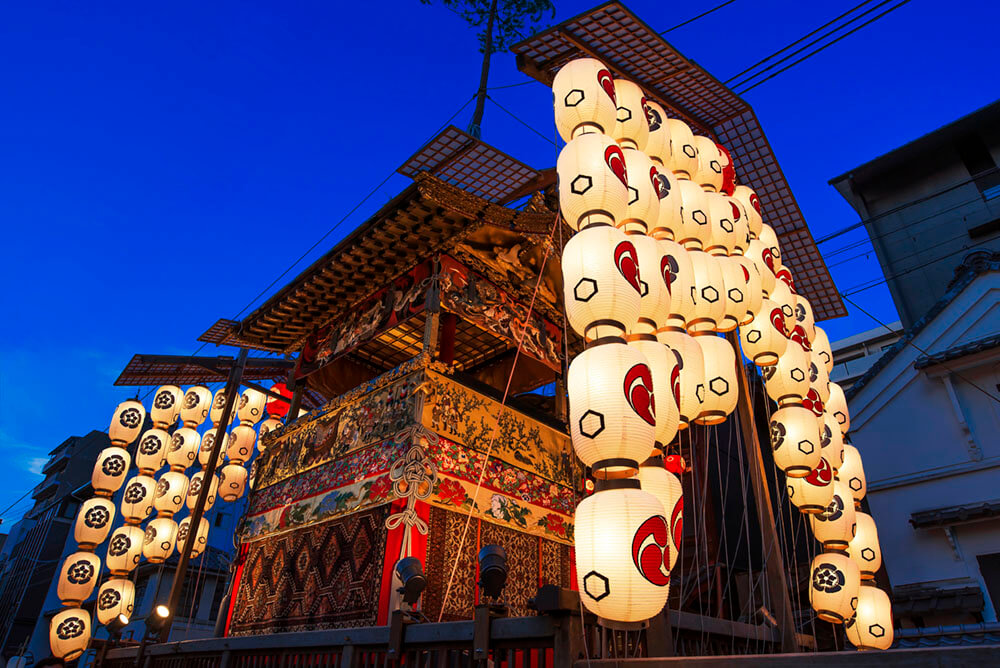
The Gion Festival, held in Kyoto, is one of Japan's three major festivals.
It takes place at Yasaka Shrine every year from July 1st to July 31st.
The Gion Festival is said to have begun in 869 to stop the spread of disease.
The highlight of the Gion Festival is the magnificent floats that slowly parade through the streets of Kyoto.
Floats are decorated vehicles adorned with flowers, dolls, and other ornaments, serving as markers to invite the gods to descend.
Its beautiful appearance has earned it the nickname "a moving art museum."
You can see many floats on July 17th and July 24th.
[Gion Festival]
- Location: Kyoto City, Kyoto Prefecture
- Event period: Every year from July 1st to July 31st
- Official website: Gion Festival Yamahoko Association, Public Interest Incorporated Foundation
Tenjin Festival (Osaka)
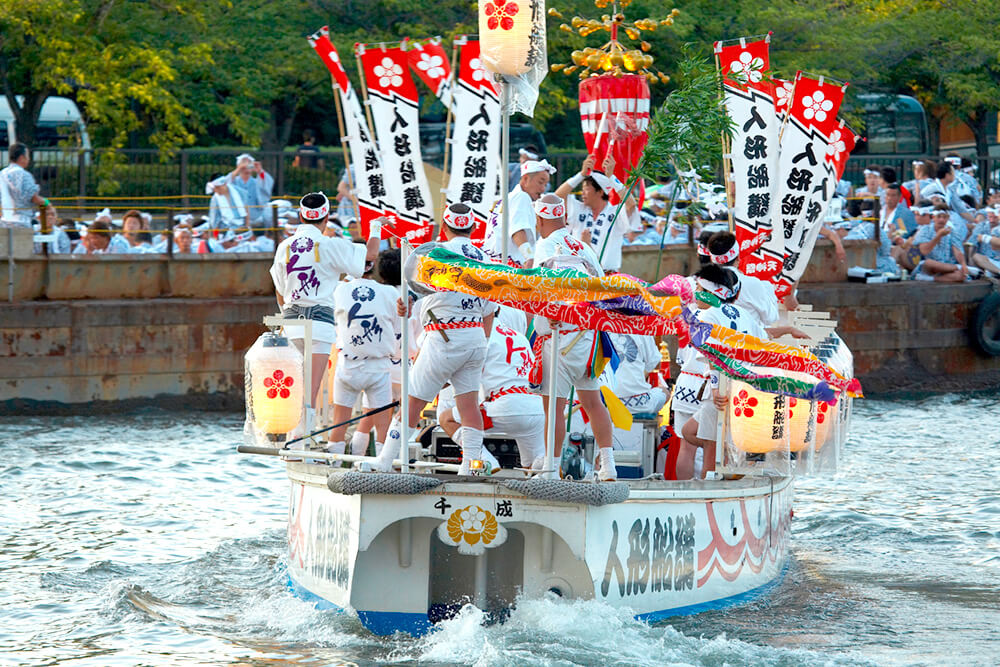
The Tenjin Festival in Osaka, along with the Gion Festival, is one of Japan's three major festivals.
It has a history of over 1000 years.
The Tenjin Festival is a summer festival held once a year when the deity Tenjin makes an appearance.
It is held every year on July 24th and 25th.
Approximately 3,000 fireworks will be launched on the night of July 25th.
One of the highlights of the Tenjin Festival is the sight of the portable shrine being placed on a boat and crossing the river.
The sight of approximately 100 boats setting sail is magnificent and beautiful.
Approximately 3,000 people will walk slowly to the boat landing, carrying the portable shrine.
The sight of people in colorful costumes walking while beating drums is a scene unique to Japan.
[Tenjin Festival]
- Location: Osaka City, Osaka Prefecture
- Dates: July 24th and 25th every year
- Official website: Osaka Tenmangu Shrine "Tenjin Festival"
Kanda Festival (Tokyo)
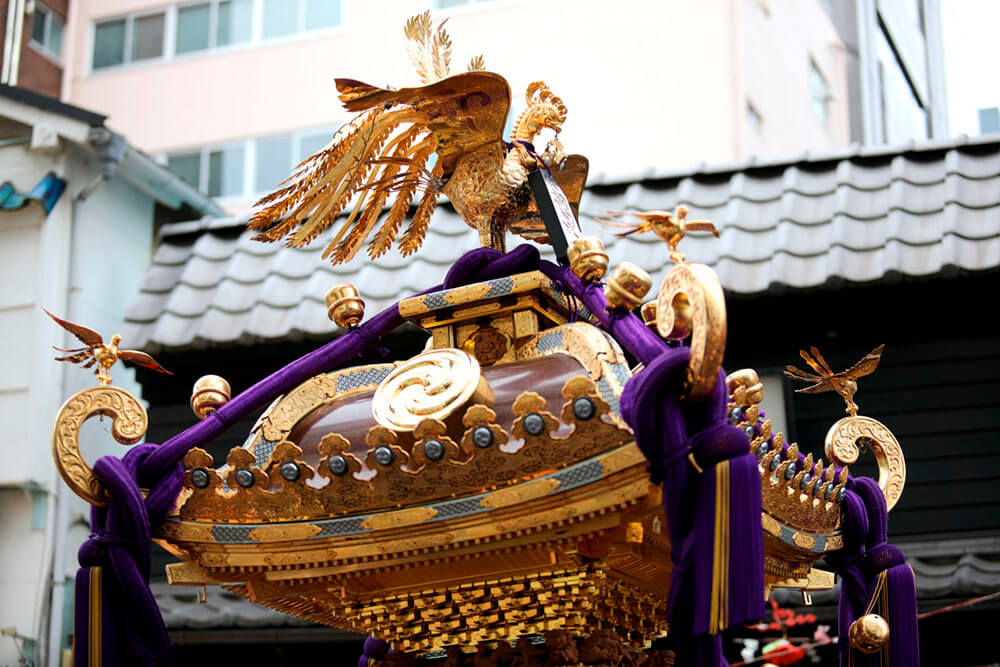
The Kanda Festival is also one of Japan's three major festivals and is held in May of odd-numbered years.
This traditional festival has been held since around 1600 and takes place in areas such as Kanda, Akihabara, and Nihonbashi.
The highlights of the Kanda Festival are the magnificent portable shrines and the vibrant costumes.
People carry over 200 portable shrines through the streets, allowing visitors to enjoy the powerful shouts and lively atmosphere.
[Kanda Festival]
- Location: Chiyoda Ward, Tokyo
- Event period: 5 days centered on the Sunday closest to May 15th in odd-numbered years
- Official website: Kanda Matsuri special site
Sapporo Snow Festival (Hokkaido)
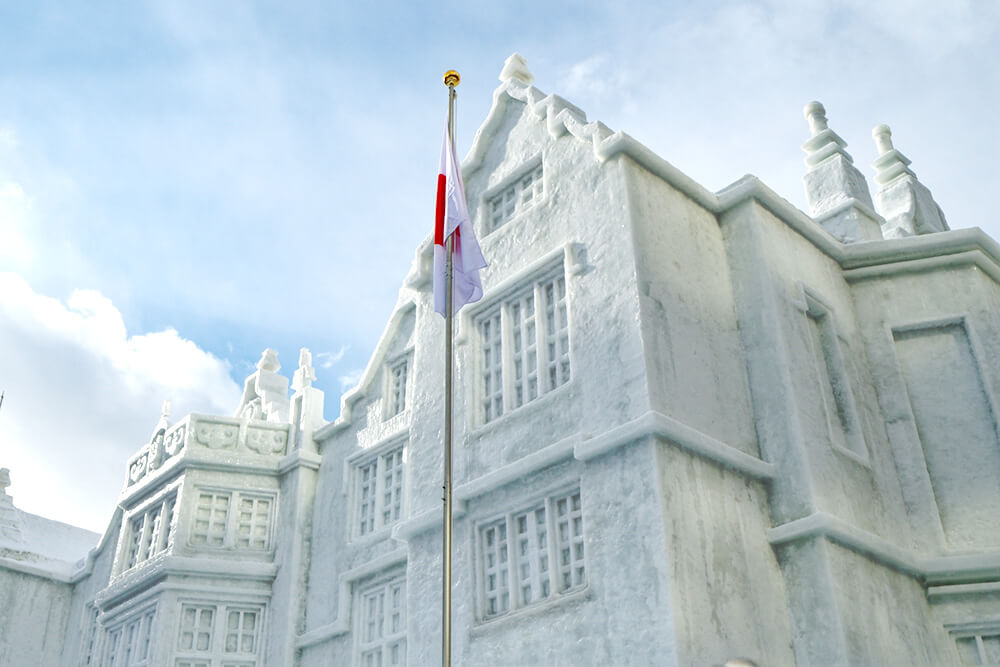
This is one of Japan's most representative winter festivals, held in Hokkaido, a region known for its heavy snowfall.
The Sapporo Snow Festival began in 1950 when junior and senior high school students created snow sculptures in Odori Park.
Later, snow sculptures of foreign cities with which Sapporo has friendly relations were also created, attracting attention from overseas.
It is held every February.
There are displays of snow and ice sculptures, as well as a long slide made of snow and ice.
In recent years, events have also been held where projection mapping is displayed on snow and ice sculptures.
Additionally, there are food stalls where you can enjoy Hokkaido's seafood, local specialties, and alcoholic beverages.
[Sapporo Snow Festival]
- Venue: Sapporo City, Hokkaido
- Event period: February every year
- Official website: Sapporo Snow Festival Official Website
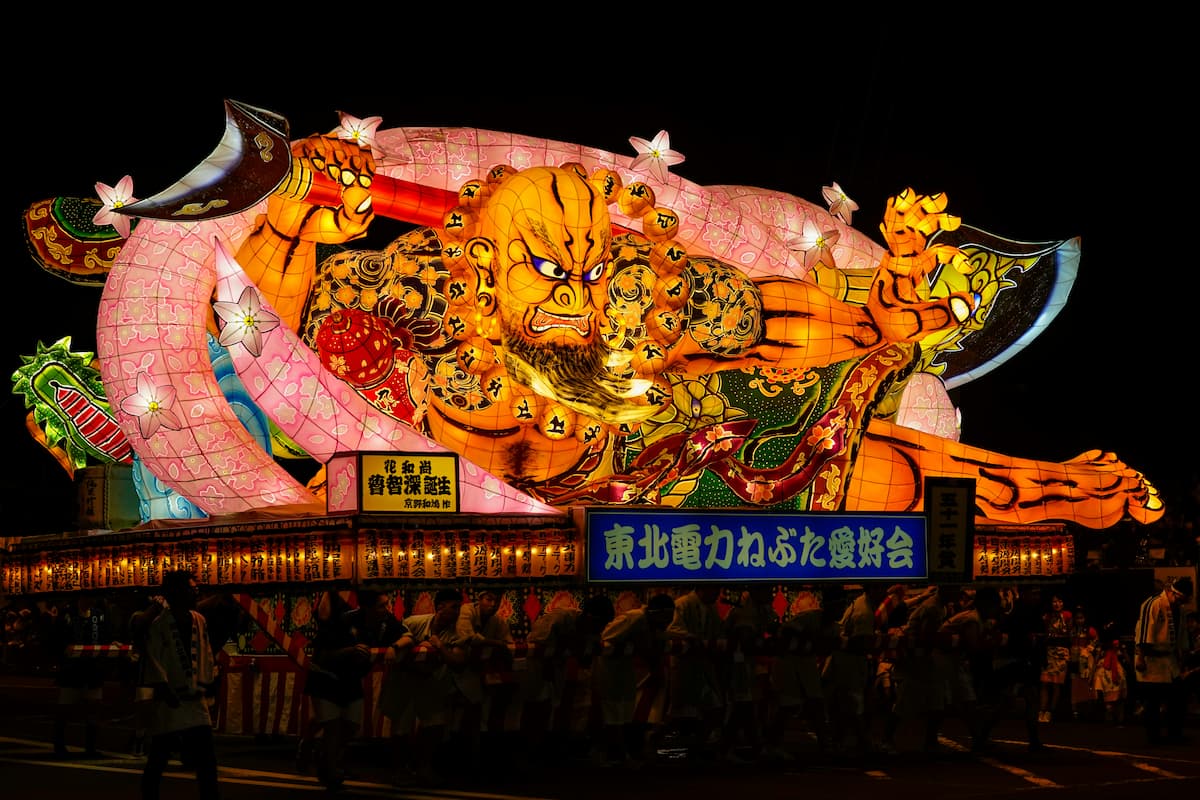
Aomori Nebuta Festival (Aomori)
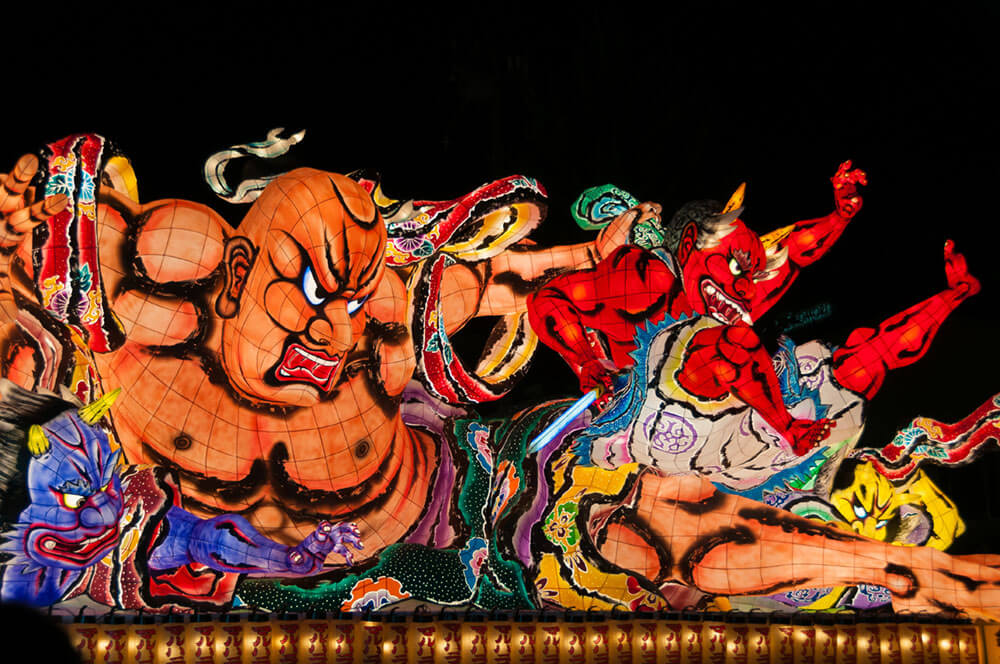
This is a summer festival held in Aomori City.
People pull floats loaded with "Nebuta" decorations through the streets.
"Nebuta" refers to lanterns, and in the Aomori Nebuta Festival, lanterns in the shape of figures or fans are used.
The gigantic Nebuta floats are truly impressive.
The largest Nebuta float, including its base, measures approximately 9 meters wide, 7 meters deep, and 5 meters high.
Around the festival floats, dancers called "Haneto" liven up the festivities.
Tourists can also purchase or rent costumes and participate in the festival as dancers.
The dancers' shouts of "Rassera, rassera" are unique to the Nebuta Festival.
[Aomori Nebuta Festival]
- Location: Aomori City Center, Aomori Prefecture
- Event period: August 2nd to August 7th every year
- Official website: Aomori Nebuta Festival Official Site
Sendai Tanabata Festival (Miyagi Prefecture)
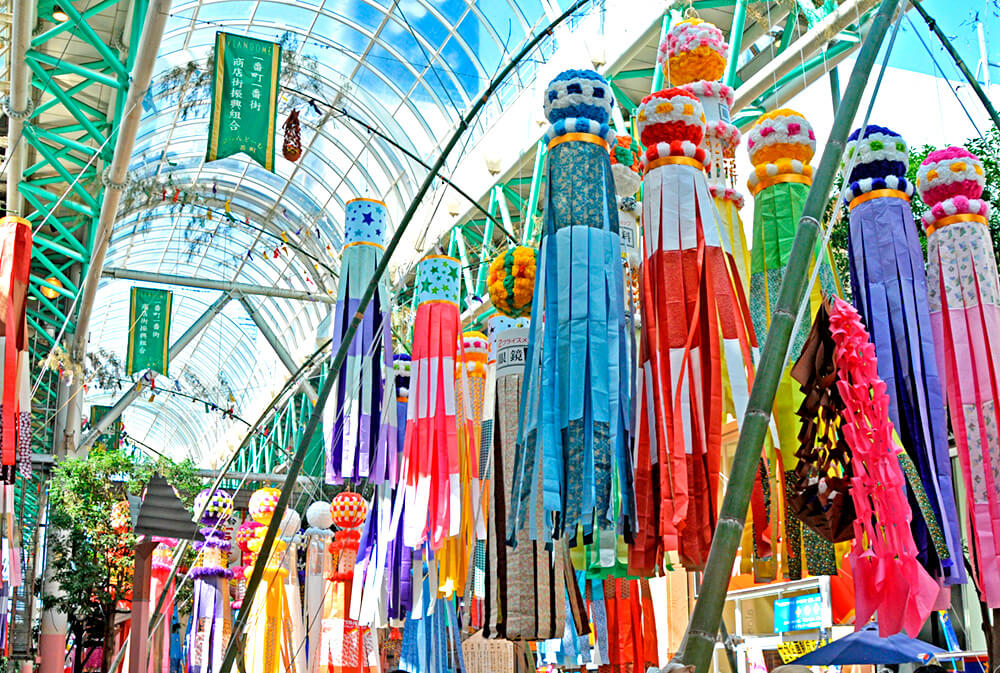
The Sendai Tanabata Festival is a traditional festival with a history of over 400 years.
The Tanabata festival is said to have originated as a way to pray for a bountiful harvest.
During the festival, approximately 3,000 colorful bamboo decorations adorn the streets.
Bamboo decorations are ornate ornaments hung from bamboo, and are displayed with the hope of improving one's skills in handicrafts and weaving.
They are made from washi paper, and some are up to approximately 10 meters long.
Another highlight is the "Seven Decorations," which represent seven wishes.
A fireworks display will also be held on August 5th.
[Sendai Tanabata Festival]
- Location: Sendai city center and surrounding shopping districts, Miyagi Prefecture
- Event period: August 6th to August 8th every year
- Official website: Sendai Tanabata Festival
Chichibu Night Festival (Saitama)
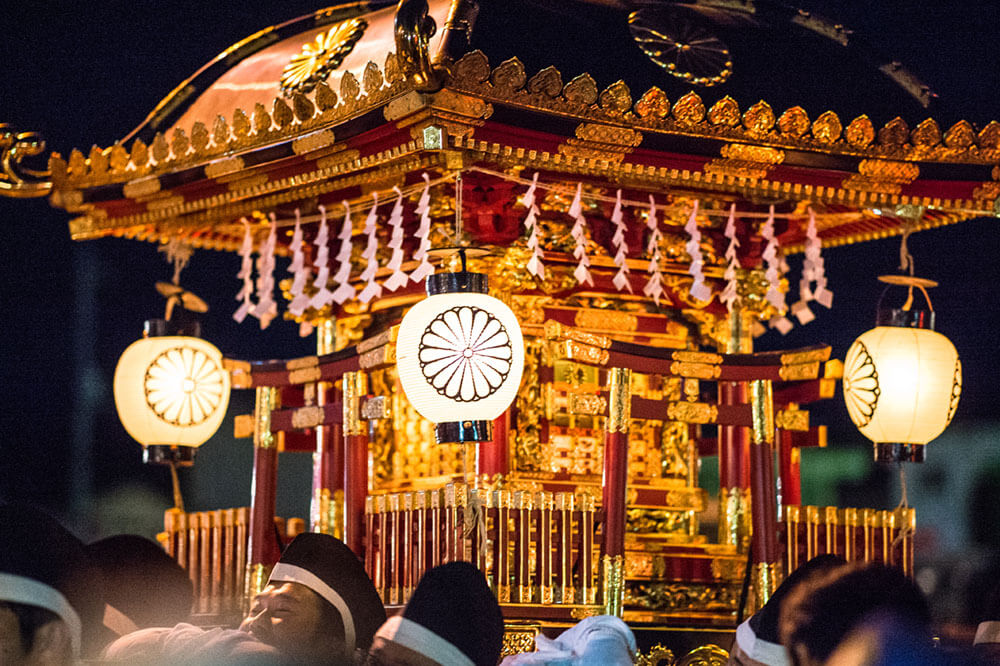
The Chichibu Night Festival is a festival of Chichibu Shrine and has a history of over 300 years.
During the Chichibu Night Festival, people carry floats decorated with lanterns through the streets, and there are also fireworks displays.
One of its unique features is that it's held in winter, which is unusual in Japan.
Fireworks launched in the crisp winter air appear even more vibrant and dynamic.
[Chichibu Night Festival]
- Location: Chichibu City, Saitama Prefecture
- Dates: December 2nd and 3rd every year
- Official website: Chichibu Night Festival | Chichibu Tourism Guide
Nagaoka Festival Grand Fireworks Display (Niigata)

The Nagaoka Festival Grand Fireworks Display is said to have originated in 1879.
The fireworks display was canceled during the war, but it resumed in 1947.
80% of the city of Nagaoka was burned down during the war.
It has a history of being reopened as a symbol of that recovery.
It is currently famous as the largest fireworks display in Japan.
[Nagaoka Festival Fireworks Display]
- Location: Nagaoka City, Niigata Prefecture
- Dates: August 2nd and 3rd every year
- Official website: Nagaoka Fireworks Official Website
Awa Odori (Tokushima)
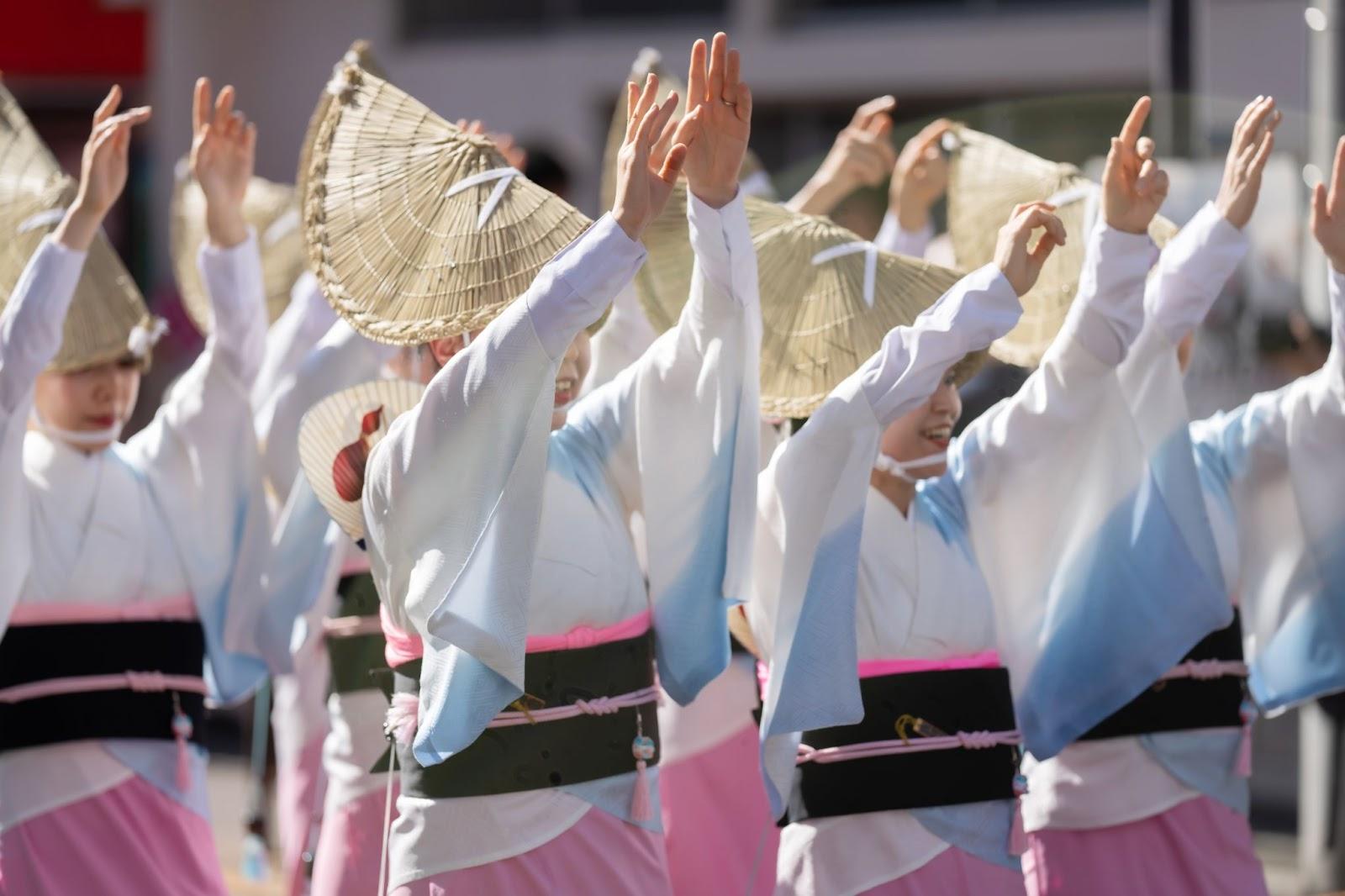
One of Japan's three major Bon dances is the Awa Odori in Tokushima Prefecture.
They dance to music such as drums and shamisen.
The costumes are unique, consisting of kimonos or yukatas, geta sandals or tabi socks, and a woven hat or tenugui towel on the head.
The sight of the dancers performing in unison is very lively and powerful, captivating the audience.
[Awa Dance]
- Location: Tokushima City, Tokushima Prefecture
- Event period: August 11th to August 15th every year
- Official website: Awa Odori Official Website
Hakata Gion Yamakasa Festival (Fukuoka)
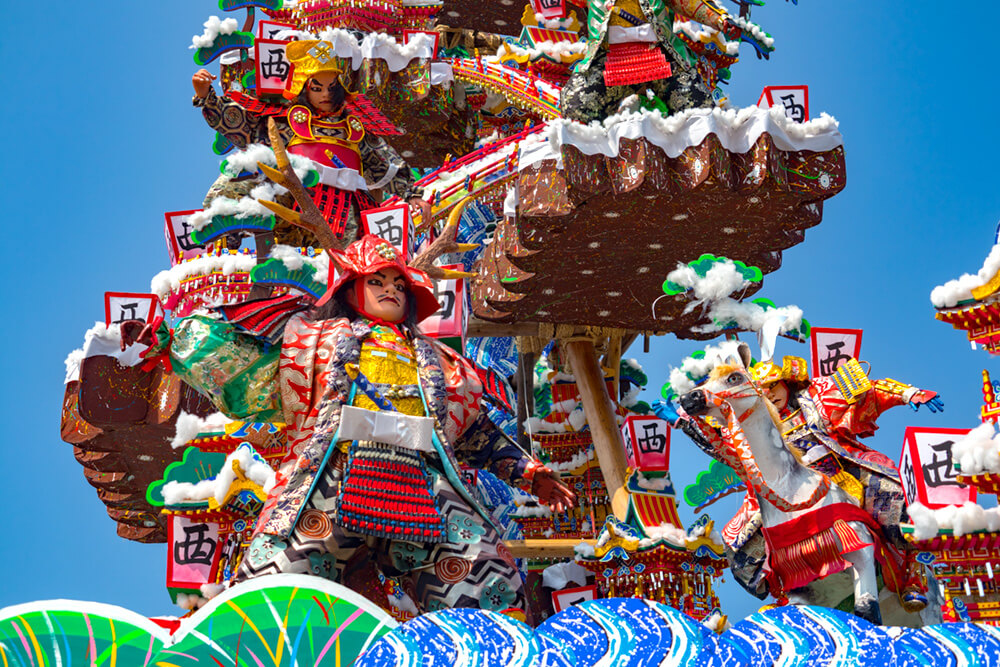
The Hakata Gion Yamakasa festival is said to have begun in 1241 in Hakata, Fukuoka, as a prayer for the end of an epidemic that had broken out.
During the event, large "decorative floats" exceeding 10 meters in height will be displayed in various locations throughout the city.
The Yamakasa festival is adorned with magnificent dolls depicting various themes, created by Hakata doll makers.
From around July 10th, the "Kakiyama Yamakasa" event takes place, in which a Yamakasa float, approximately 3 meters tall and weighing about 1 ton, is paraded through the streets of Hakata.
On the final day, July 15th, the "Oiyama-Yama-Kasa" race begins at 4:59 AM, in which the seven floats race over a distance of 5 km.
[Hakata Gion Yamakasa]
- Location: Fukuoka City, Fukuoka Prefecture
- Event period: Every year from July 1st to July 15th
- Official website: Hakata Gion Yamakasa
Summary: Experience history and culture by participating in Japan's famous festivals
Festivals are held all over Japan.
There are many festivals, ranging from small to large in scale.
It is said that Japanese festivals originally began as a way to express gratitude to the gods.
Japanese festivals often attract many visitors, not only Japanese people but also foreigners.
I highly recommend participating in a Japanese festival to experience Japanese history and culture.
*This article is based on information from March 2026.
About us, JAC
JAC(Japan Association for Construction Human Resources)is an organization that supports all Specified Skilled Workers working in the Japan construction industry. We work with companies that accept Specified Skilled Workers to create a work environment that is easy for everyone to work in.
We're also taking the exams you need to become a Specified Skilled Workers!
And JAC has received many requests for job offers from companies that want Specified Skilled Workers to work for.
Specified Skilled Workers Wanted! Job Listings
For those of you who want to work in Japan using Specified Skills, we are introducing jobs that match your occupation and aspirations!
If you have any problems, please feel free to contact us!