Introducing the charm and characteristics of Japanese summer. Japanese summer as experienced by someone from India.

I wrote the article!

Country of origin: Republic of India
Karthikeyan Naresh
(Kartikeyan Naresh)
Hello, my name is Naresh.
I'm from India and have been in Japan for over four years.
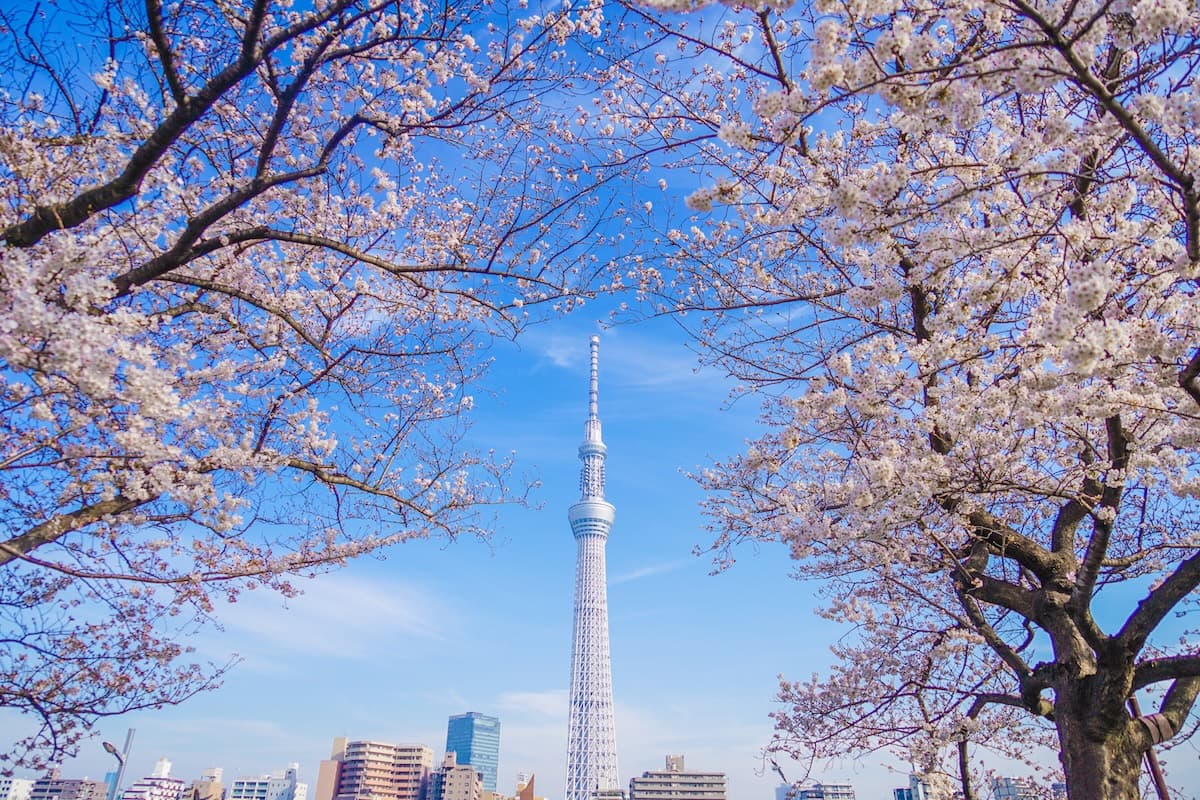
I've been living in Tokyo ever since I came to Japan.
I've had the opportunity to visit various regions through business trips and travel, and I feel that Japan is a very clean, safe, and pleasant country to live in.
Furthermore, Japan has different charms depending on the season.
This time, I'd like to introduce "Japanese summer," which I find particularly appealing, from an Indian perspective, incorporating my own experiences.
Summer weather and life in Japan
In Japan, "summer" is from June to August.
It is characterized by high temperatures, high humidity, and extremely muggy conditions.
The rainy season begins around June.
During this time of year, cloudy and rainy days are frequent, and the humidity is high, so I think many people find it uncomfortable.
However, once the rainy season ends, the sky suddenly brightens, and summer truly arrives.
Schools have summer vacation from around the end of July to the end of August, during which children use their free time to play or study.
August includes a period called "Obon."
Many companies close during the Obon period, and it's a time when adults' daily routines change a little, as they take advantage of the holidays to travel or return to their hometowns.
If you'd like to learn more about Obon, please read this article.
What is Obon in Japan? We'll introduce the timing and how to celebrate it!
Many people go to the beach with family and friends.

Summer is a season when the heat can easily drain your energy, but I also feel that it offers many memorable experiences.
Summer troubles in Japan. Is it really that hot?
The biggest problem with summer in Japan is, of course, the heat.
The highest temperatures occur in August.
With strong sunlight beating down and temperatures rising every day, caution is advised when spending time outdoors.
You'll sweat more easily and your body will tire more quickly.
Because Japan is long from north to south, temperatures vary by region, but the average temperature in Tokyo in August is 26.9℃.
On hot days, temperatures can exceed 35°C.
The average August temperature in Okinawa Prefecture, located in the south, is 29.0℃, while the average August temperature in Hokkaido, located in the north, is 22.3℃.
Hokkaido is cooler than other regions, making it a popular summer resort.
My hometown, Bangalore in India, is on a plateau, so it's cool and pleasant in the shade and at night. The big city of Mumbai also has sea breezes, so the temperature often drops sharply after a downpour.
However, Japanese summers have little wind and high humidity, making it difficult for sweat to evaporate, so it feels hotter and more humid than the actual temperature.
The temperature doesn't drop even at night, and there are many days when it's difficult to sleep comfortably.
There are many health concerns to be aware of, such as heatstroke, insect bites, and sunburn, but taking precautions against heatstroke is especially important.
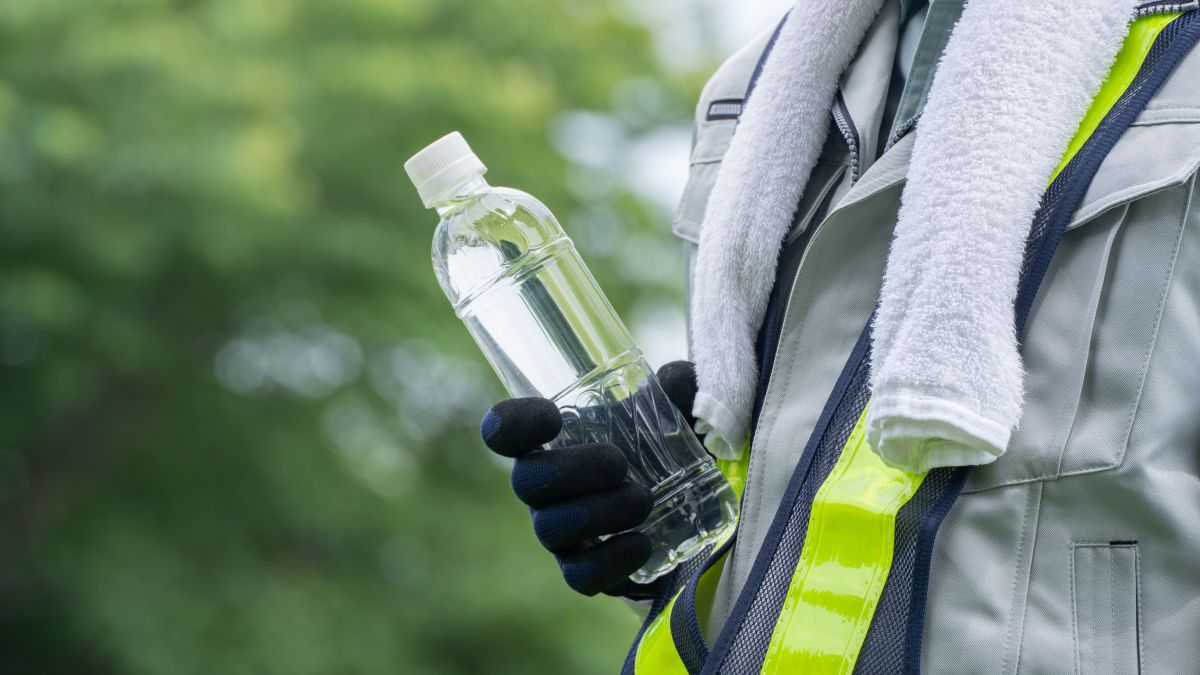
When playing or working outdoors, it's important to be mindful of your physical condition by taking proper breaks and staying hydrated.
Buildings in Japan generally have air conditioning, so you can stay cool indoors.
Fireworks displays and summer festivals that let you experience the charm of Japanese summer
There are many things to enjoy in the summer in Japan.
For me, summer is a season to refresh my spirits and feel positive energy.
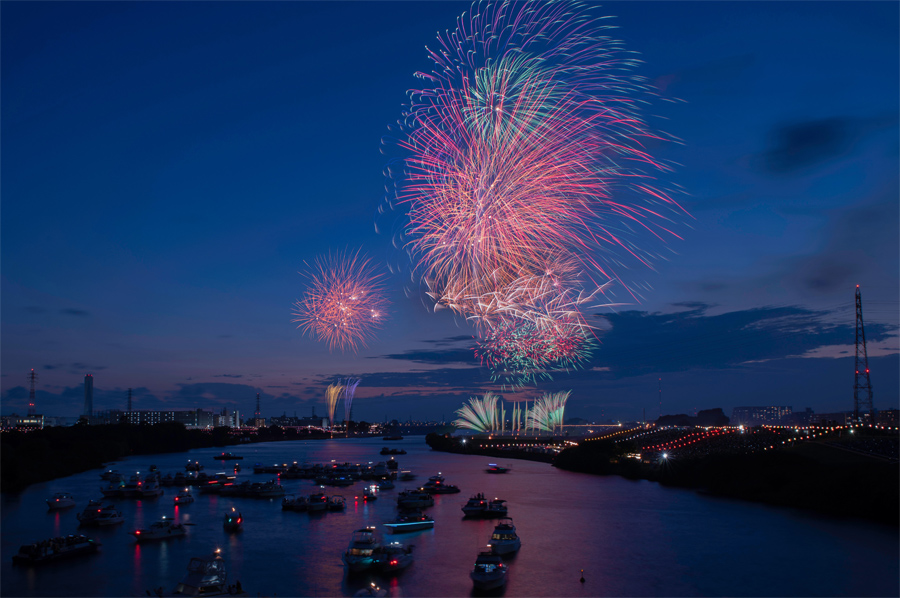
In the summer, fireworks displays and summer festivals are held all over Japan.
During fireworks displays, many people gather at the venue at night, and the whole town becomes lively.
The sight of fireworks soaring high into the sky and the resounding "boom" are truly impressive and leave a lasting impression on those who witness them.
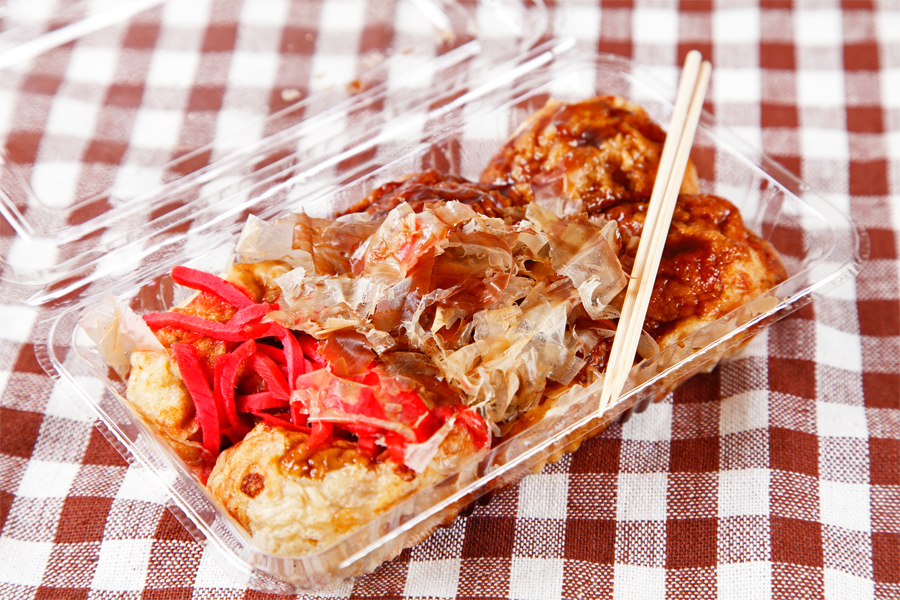
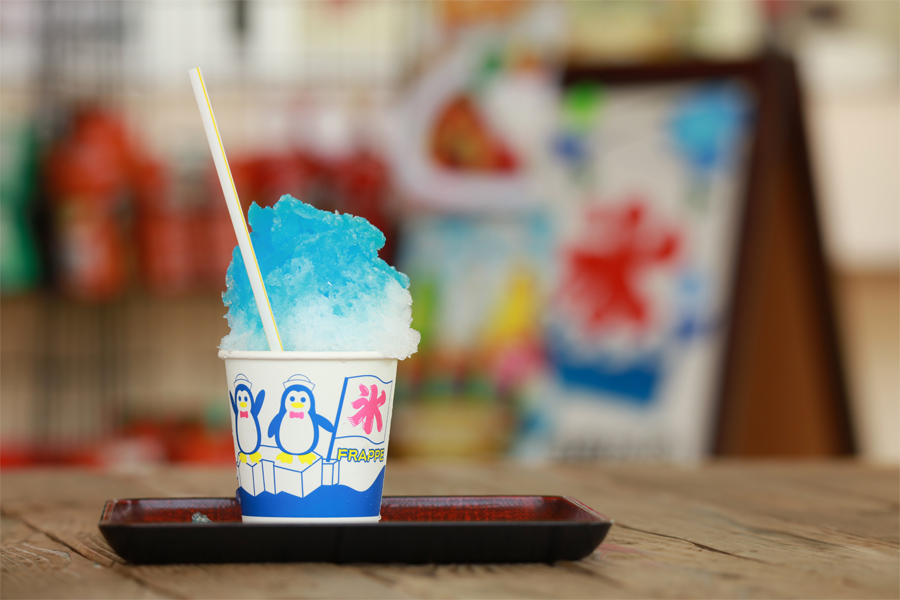
Additionally, the summer festival features numerous food stalls offering items such as takoyaki (octopus balls) and shaved ice.
▼Takoyaki
▼ Shaved ice
Seeing people of all ages, from children to adults, enjoying themselves with smiles on their faces while wearing yukata, makes me feel like this is a truly Japanese summer scene.
Attractive foods to enjoy in Japanese summer
In Japan, there is a food culture that helps people cope with the heat during the summer, and it is one of the unique pleasures of summer.
Dishes that are easy to swallow and refreshing, such as somen noodles and chilled ramen, are particularly popular.
Also, shaved ice and ice cream are often eaten in the summer because they cool the body down.
Ice cream comes in many distinctly Japanese flavors, such as matcha, red bean, and black bean, so please enjoy trying a variety of flavors.
Foods with high water content, such as watermelon and cucumber, are also commonly eaten as a way to cope with the heat.
And speaking of summer drinks, chilled beer is a popular choice.
In Japan, beer gardens are a summer staple, and it's common to see people enjoying cold beer outdoors.
▼Beer garden

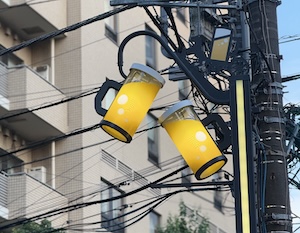
On "Beer Hill" in Ebisu, Tokyo, there are streetlights shaped like beer bottles.
I feel that incorporating such interesting designs into the city is very typical of Japan.
▼Streetlights on "Beer Hill"
Summary: Japanese summers have so much to offer! Enjoy them while taking precautions against the heat.
Summer in Japan is full of attractions, such as fireworks displays, summer festivals, and seasonal foods.
Although the intense heat can be a real problem, it's very impressive to see how people are finding creative ways to enjoy the summer.
I will continue to cherish Japan's four seasons and spend my beloved Japanese summer in a healthy and positive way.
About us, JAC
JAC(Japan Association for Construction Human Resources)is an organization that supports all Specified Skilled Workers working in the Japan construction industry. We work with companies that accept Specified Skilled Workers to create a work environment that is easy for everyone to work in.
We're also taking the exams you need to become a Specified Skilled Workers!
And JAC has received many requests for job offers from companies that want Specified Skilled Workers to work for.
Specified Skilled Workers Wanted! Job Listings
For those of you who want to work in Japan using Specified Skills, we are introducing jobs that match your occupation and aspirations!
If you have any problems, please feel free to contact us!