What is the Japanese Obon Festival? When is it celebrated and how do you spend it?

I wrote the article!

Japan Association for Construction Human Resources
Chief of Research and Development Department / Administration Department / Public Relations Department
Motoko Kano
(Kano Motoko)
Hello, this is Kano from JAC (Japan Association for Construction Human Resources).
In Japan, there is a period called "Obon" in August.
During the Obon period, the company is often closed.
In this article, we will introduce what kind of period Obon is held in Japan, when to spend it, and how to spend it.
What is the Japanese Obon Festival?
Obon is a traditional summer Buddhist event in which people welcome and honor the spirits of their ancestors who have temporarily returned to Japan.
Although the Obon period is not a national holiday, many companies offer a four-day break.
This period is an important time for visiting graves and gathering with family and relatives.
The timing and customs surrounding the Obon festival vary from region to region.
When is Obon in Japan? Does the timing differ by region?
In most regions, the Obon period is observed from August 13th to August 16th.
However, there are actually three different ways of thinking about the Obon period, depending on the region.
- Regions from August 13th to August 16th
- Regions from July 13 to August 16
- Different regions each year
The period from August 13th to August 16th, commonly known as the Obon period, is called "Kyūbon" (old Obon).
Why does the Obon period vary from region to region?
In Japan, since ancient times, events have been held using the old calendar (lunar calendar), which is based on the phases of the moon.
However, in 1873, a new calendar based on the movement of the sun (the solar calendar) came into use.
With the adoption of the new calendar, the Obon period shifted from August to July on the calendar.
The Obon festival, which falls in July according to the new calendar, is called "July Obon."
Since the Obon period is not legally defined, the practice of observing the old Obon or the July Obon varies from region to region.
Furthermore, some regions still use the lunar calendar instead of the new calendar.
In the old lunar calendar, the phases of the moon are used as the basis, so the Obon period changes every year.
[Obon period according to the calendar]
- Regions where Shinreki and Kyubon are celebrated: Most areas of Japan
- Regions where the Obon festival is celebrated in July according to the new calendar: Tokyo, Kanagawa, Ishikawa, and parts of Shizuoka prefectures (urban areas)
- Areas that still use the lunar calendar: Okinawa Prefecture, Amami region of Kagoshima Prefecture
Introducing how to spend the Obon period in Japan
Here is an introduction to how people generally spend Obon.
Spending time with family and relatives
Many people have the day off from school and work during Obon, so many people return to their hometowns.
Families and relatives gather together, enjoy meals together, and visit the graves of their loved ones.
With so many people on the move, roads and public transport become congested.
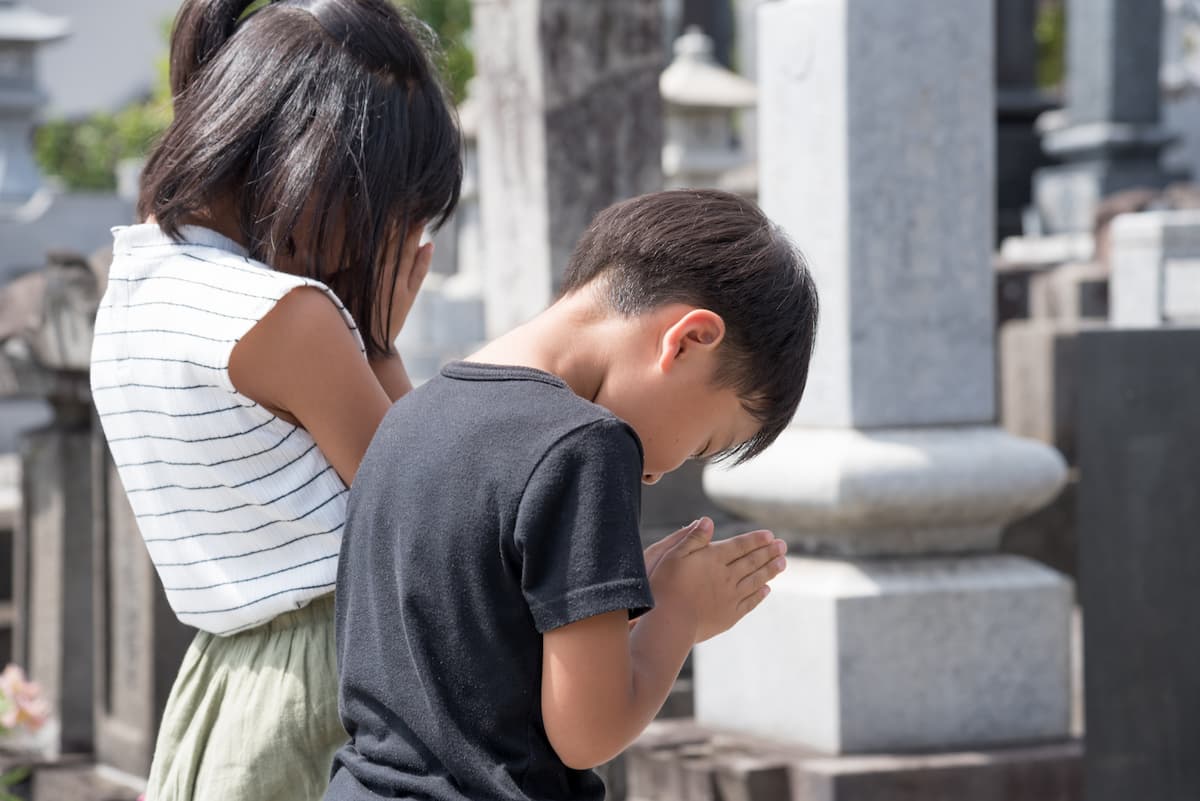
Visiting the grave and making offerings
The Obon period is a time when the spirits of ancestors return.
To honor the spirits of our ancestors, we visit their graves and offer gifts at the graves or Buddhist altars.
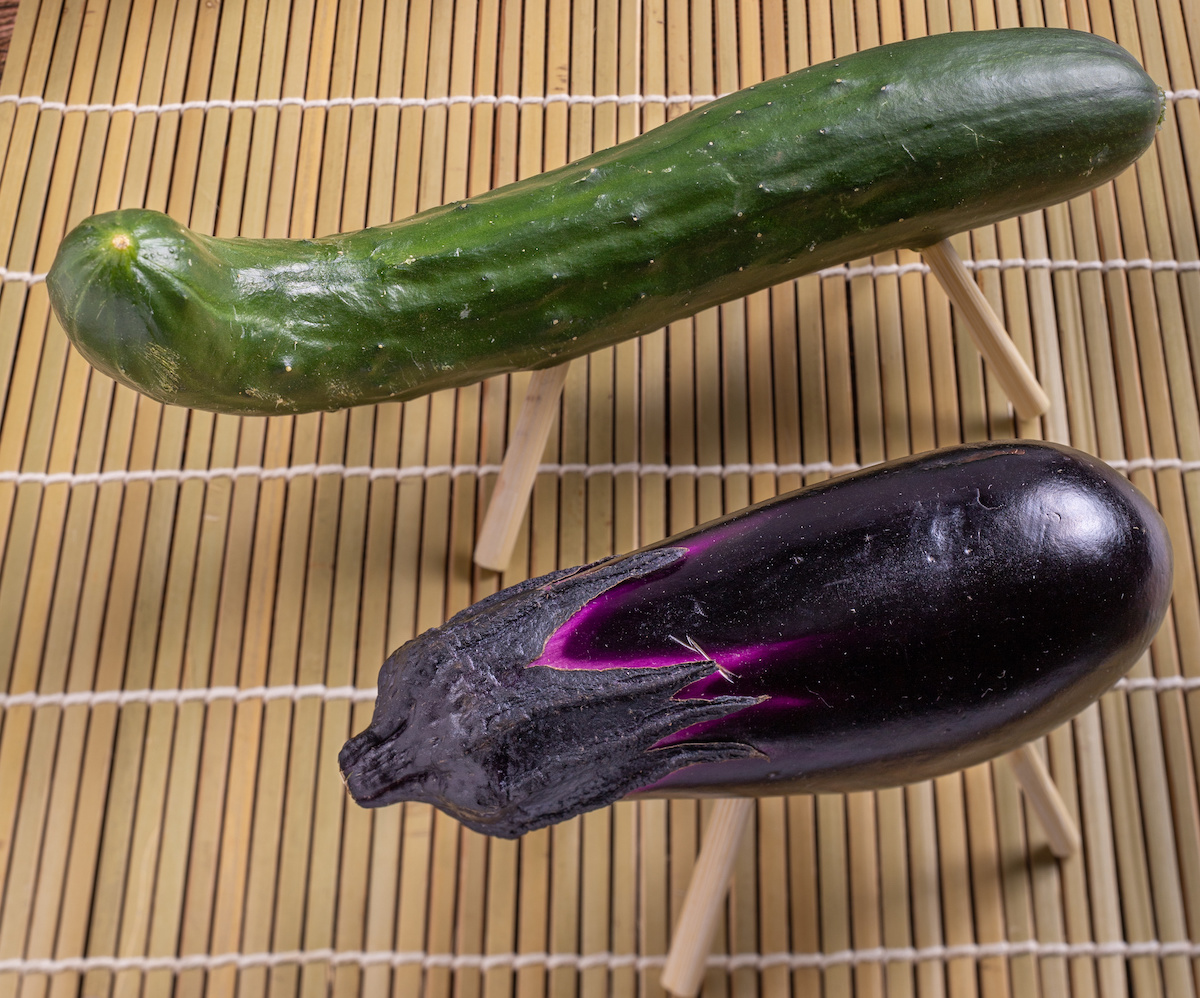
One of the offerings is a "spirit horse."
Shoryoma are offerings made from eggplant and cucumber.
Eggplants represent cows, and cucumbers represent horses.
This is to make it easier for the spirits of ancestors to travel between the afterlife and this world.
The cucumber, representing a horse, symbolizes a swift arrival in this world, while the eggplant, representing a cow, symbolizes a slow return to the afterlife.
Participate in Bon Odori and festivals
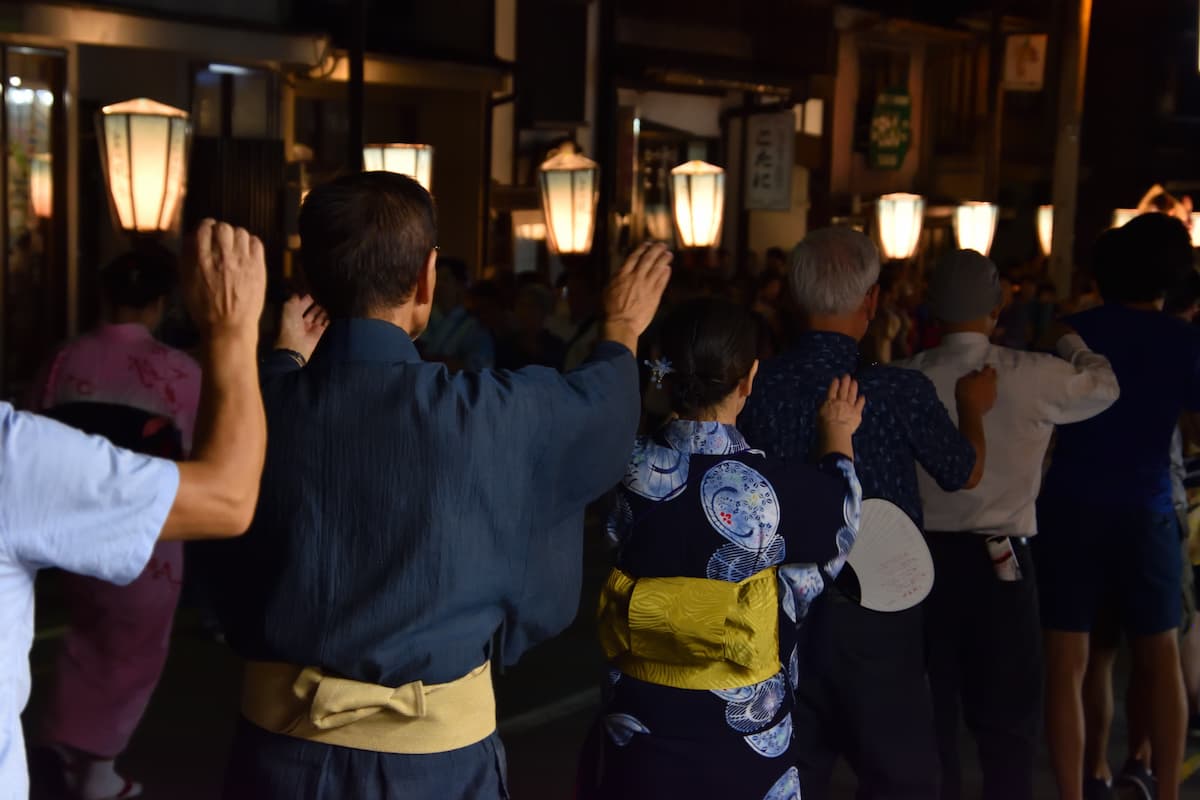
During the Obon period, Bon Odori (traditional Japanese dance) and local festivals are sometimes held.
Bon Odori is a dance performed to honor the spirits of one's ancestors.
While there are different dances in each region, the most common style involves a large group of people dancing in a circle to music and drums.
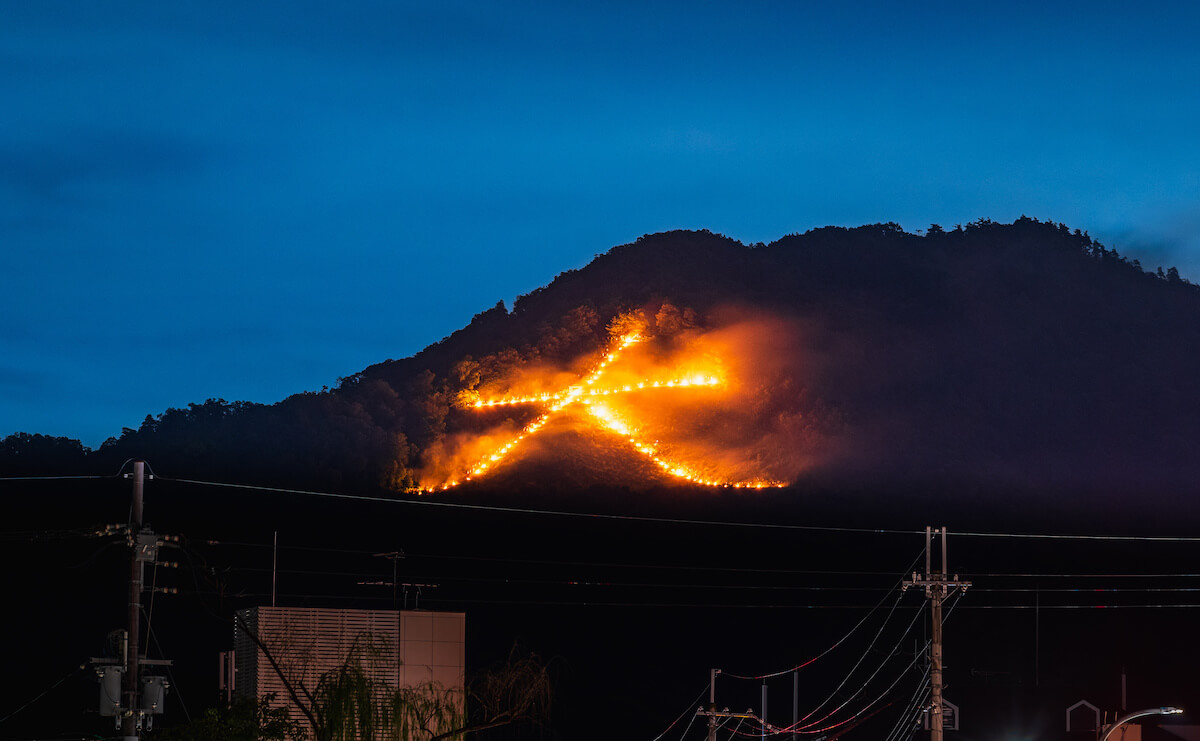
One of the most representative traditional events of the Obon festival in Japan is the "Gozan Okuribi" (five mountain bonfires) in Kyoto.
The Gozan Okuribi (five mountain bonfires) is a ceremony to send back the spirits of ancestors, who were welcomed during the Obon festival, back to the afterlife.
Five mountains in Kyoto City大 "or"妙"法The words " " will appear.
The most famous is the "大These are the characters "".
The events held during the Obon period have the meaning of welcoming and honoring the spirits of ancestors.
Therefore, the atmosphere is often bright and lively.
Is Obon celebrated in countries other than Japan?
Obon is a Buddhist event.
Although the timing and customs differ, Obon is observed in Buddhist countries other than Japan as well.
Vietnamese Obon
Vietnam's "Blanc Festival" is a celebration similar to Japan's Obon festival, held to honor the spirits of ancestors.
The Blanc Festival takes place on the 15th day of the 7th month of the lunar calendar, which is from mid-August to mid-September in the Gregorian calendar.
The following two points are different from the Obon festival in Japan.
- There is a custom of burning paper or clothes that represent money so that ancestors will not be in trouble in the afterlife.
- No holidays
The holiday is celebrated in the same way as Obon in Japan, with people making offerings and visiting graves.
Chinese Obon
Although it is different from the Japanese Obon, there are two events held to honor the spirits of ancestors.
Qingming Festival
This event takes place around April 5th every year, during which people visit their ancestors' graves and clean them.
There is a custom of making offerings and burning "paper money," which is meant to resemble real money, when visiting graves.
Qingming Festival is a public holiday.
Obon Festival
It takes place on the 15th day of the 7th month of the lunar calendar, which is around mid-August in the Gregorian calendar.
During the Mid-Year Festival, people make offerings and visit ancestral graves.
The Ghost Festival is not a public holiday.
Summary: Obon in Japan is an event to welcome and hold memorial services for the spirits of ancestors
Obon is a traditional summer event where people welcome and honor the spirits of their ancestors.
Many regions observe the Obon period from August 13th to August 16th, and companies and other businesses are often closed during this time.
However, the timing of the Obon festival varies by region; some areas observe it in July, while others follow the lunar calendar.
During the Obon period, people often gather with family and relatives, visit graves, and offer gifts to their ancestors.
During the Obon period, Bon Odori dances and local festivals are often held, creating a lively atmosphere.
Try to actively participate in Bon Odori dances and festivals.
Other Buddhist countries besides Japan, such as Vietnam and China, also have events similar to Obon.
If your country has a similar event, it might be interesting to compare the differences.
About us, JAC
JAC(Japan Association for Construction Human Resources)is an organization that supports all Specified Skilled Workers working in the Japan construction industry. We work with companies that accept Specified Skilled Workers to create a work environment that is easy for everyone to work in.
We're also taking the exams you need to become a Specified Skilled Workers!
And JAC has received many requests for job offers from companies that want Specified Skilled Workers to work for.
Specified Skilled Workers Wanted! Job Listings
For those of you who want to work in Japan using Specified Skills, we are introducing jobs that match your occupation and aspirations!
If you have any problems, please feel free to contact us!